unbreakable bloom
‘I like withered flowers’―these are the opening words of the message Ryuichi Sakamoto contributed to Kazunari Tajima’s photo book *WITHERED FLOWERS. Even after reading it multiple times, I can sense Sakamoto’s distinctive sensibility; it’s a truly remarkable piece of writing.
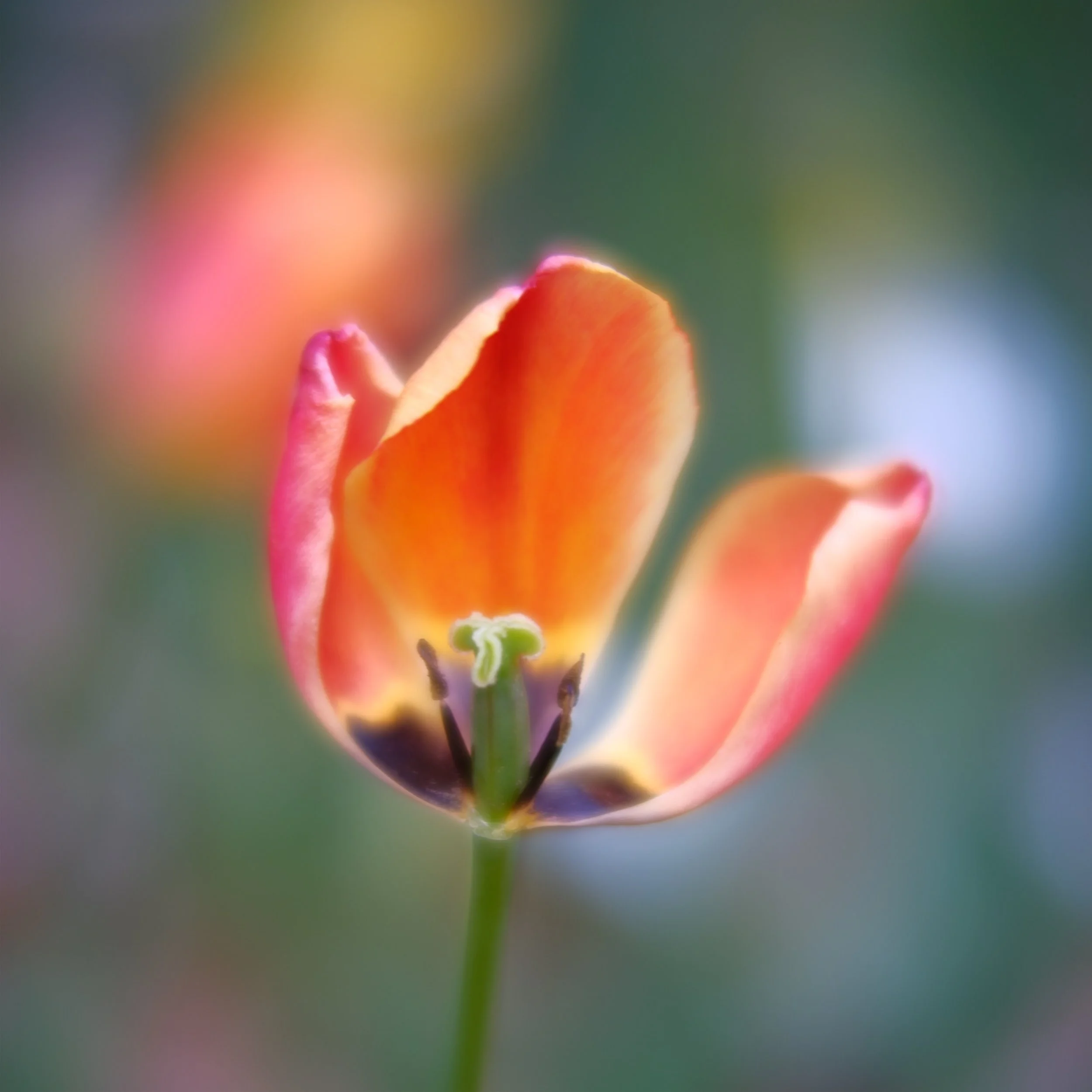
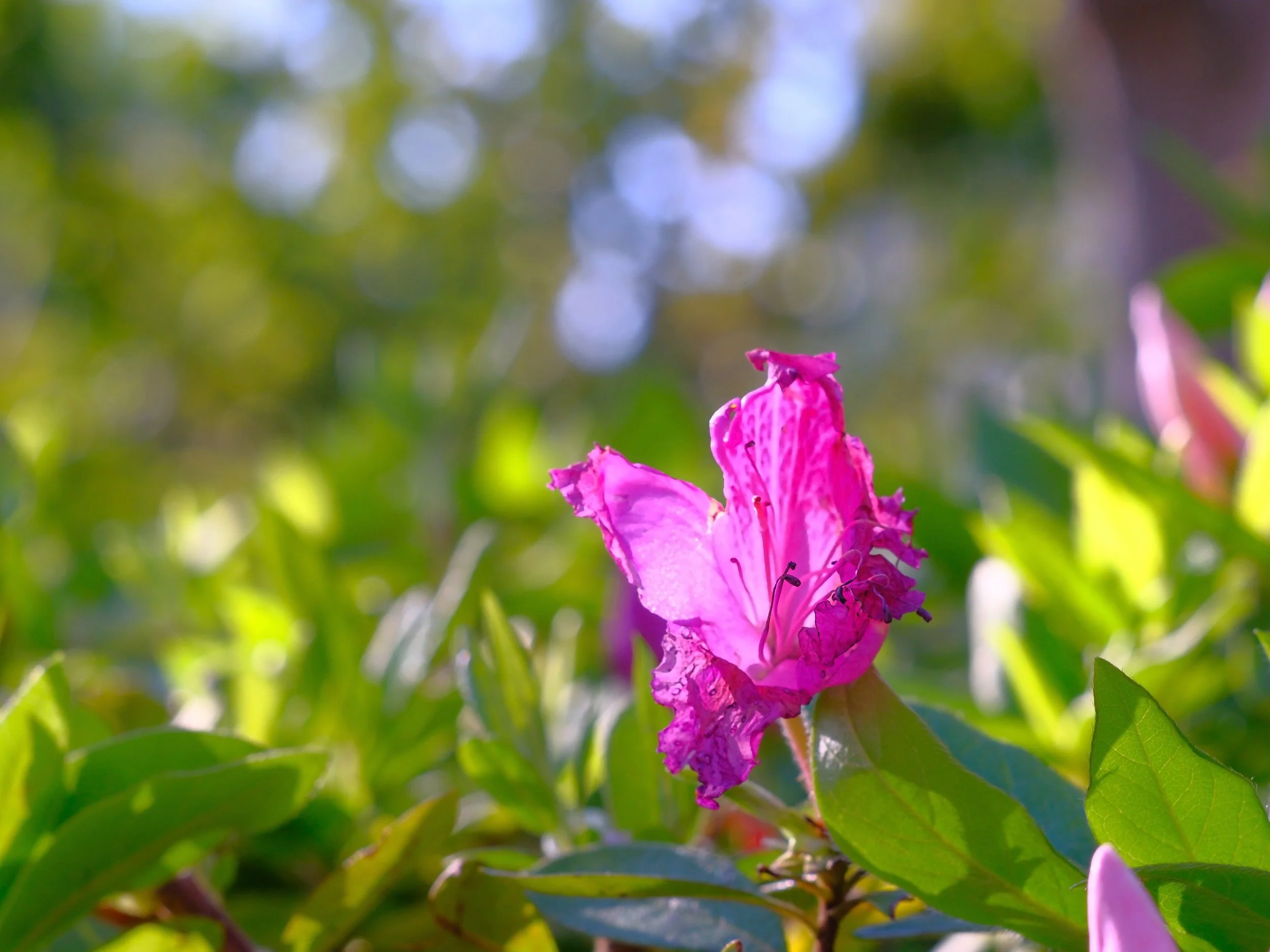
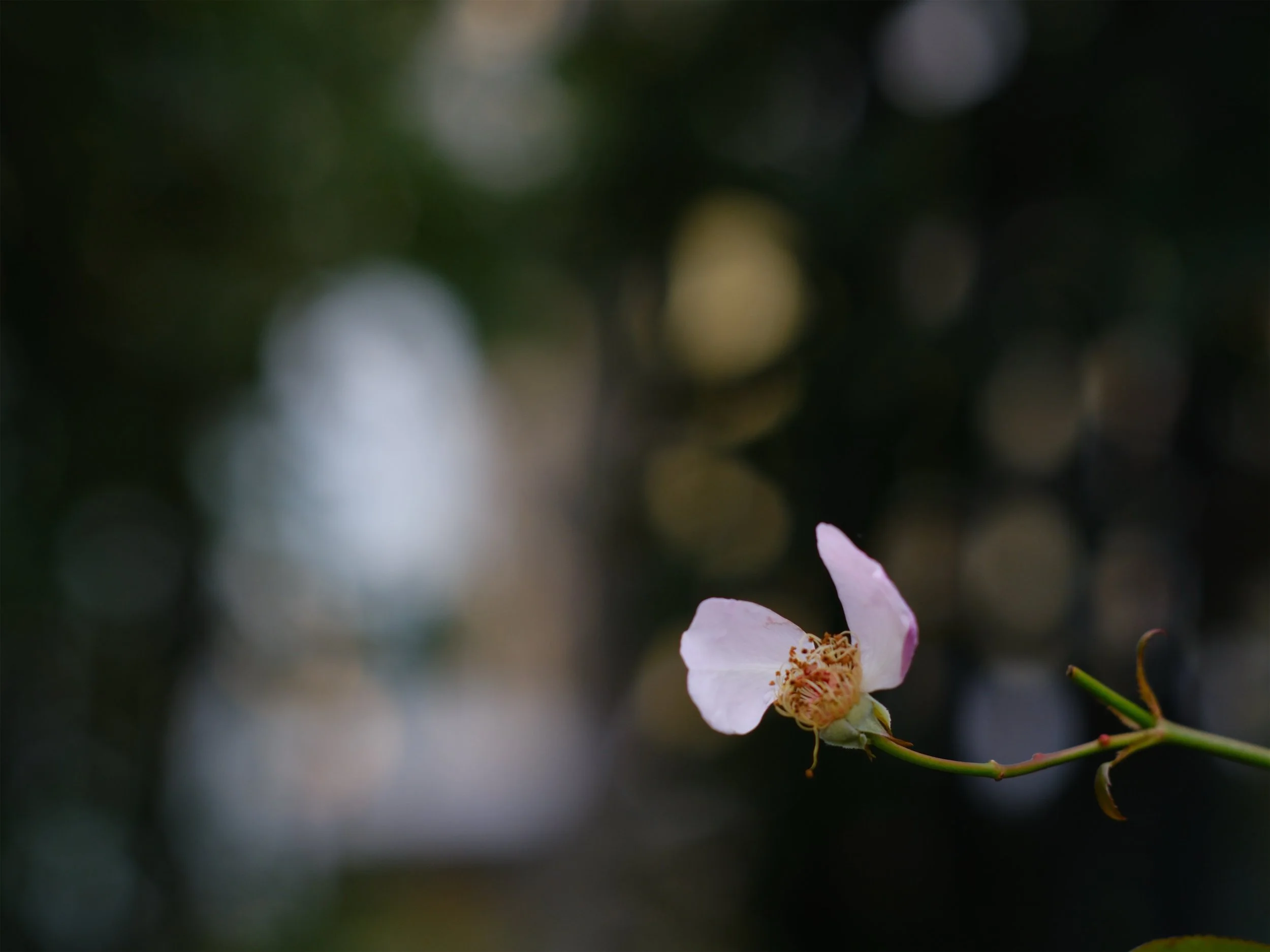
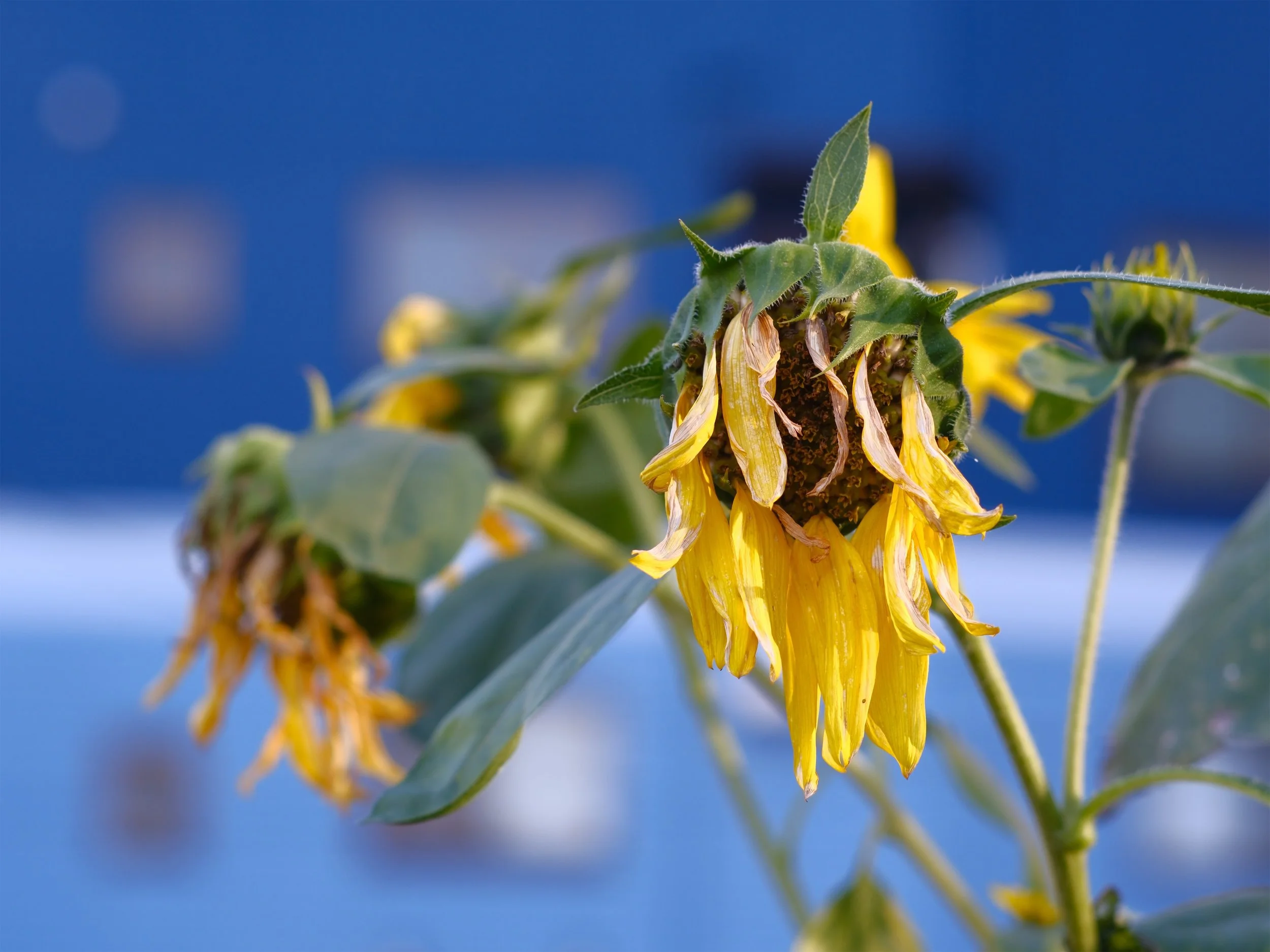
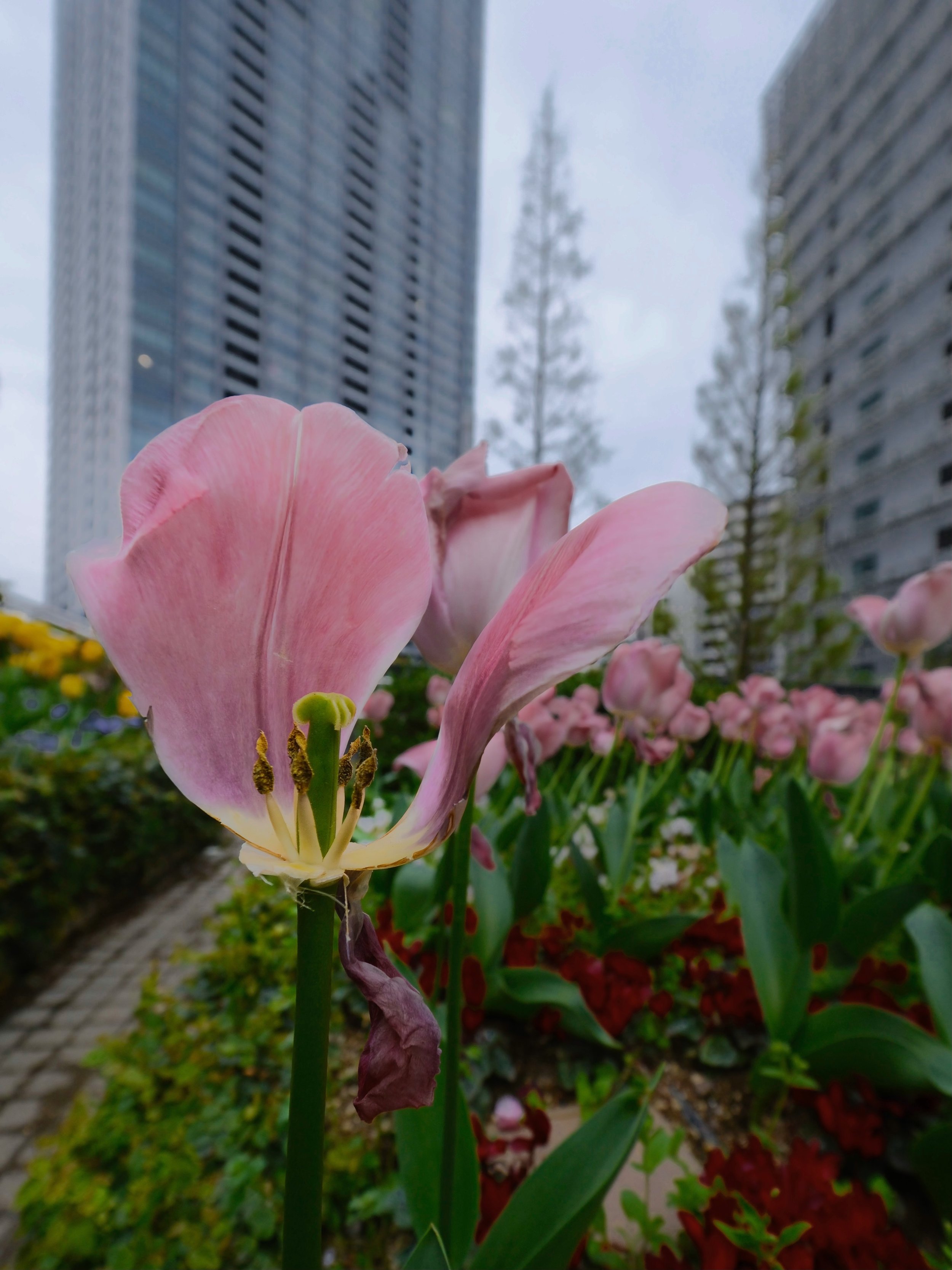
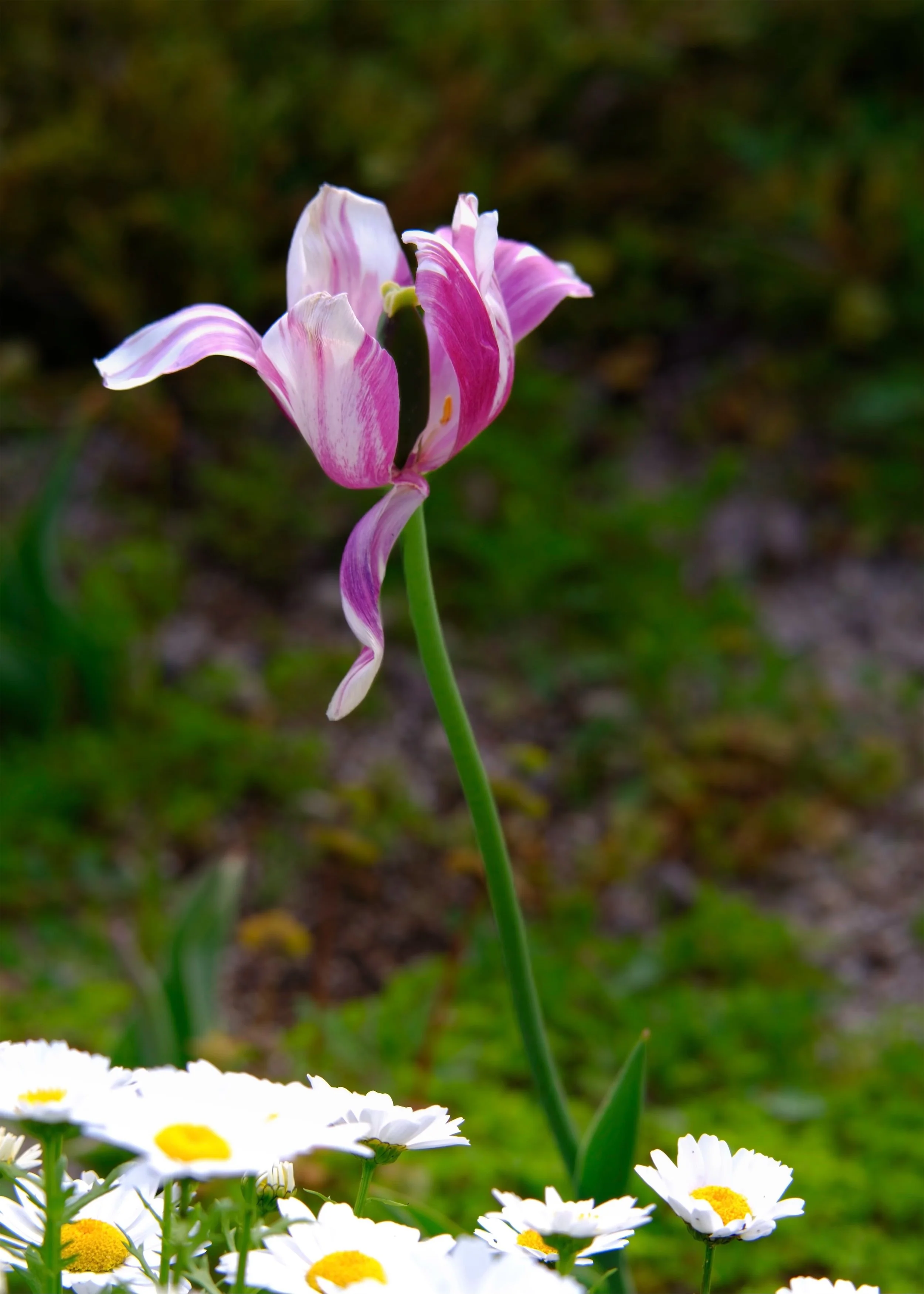
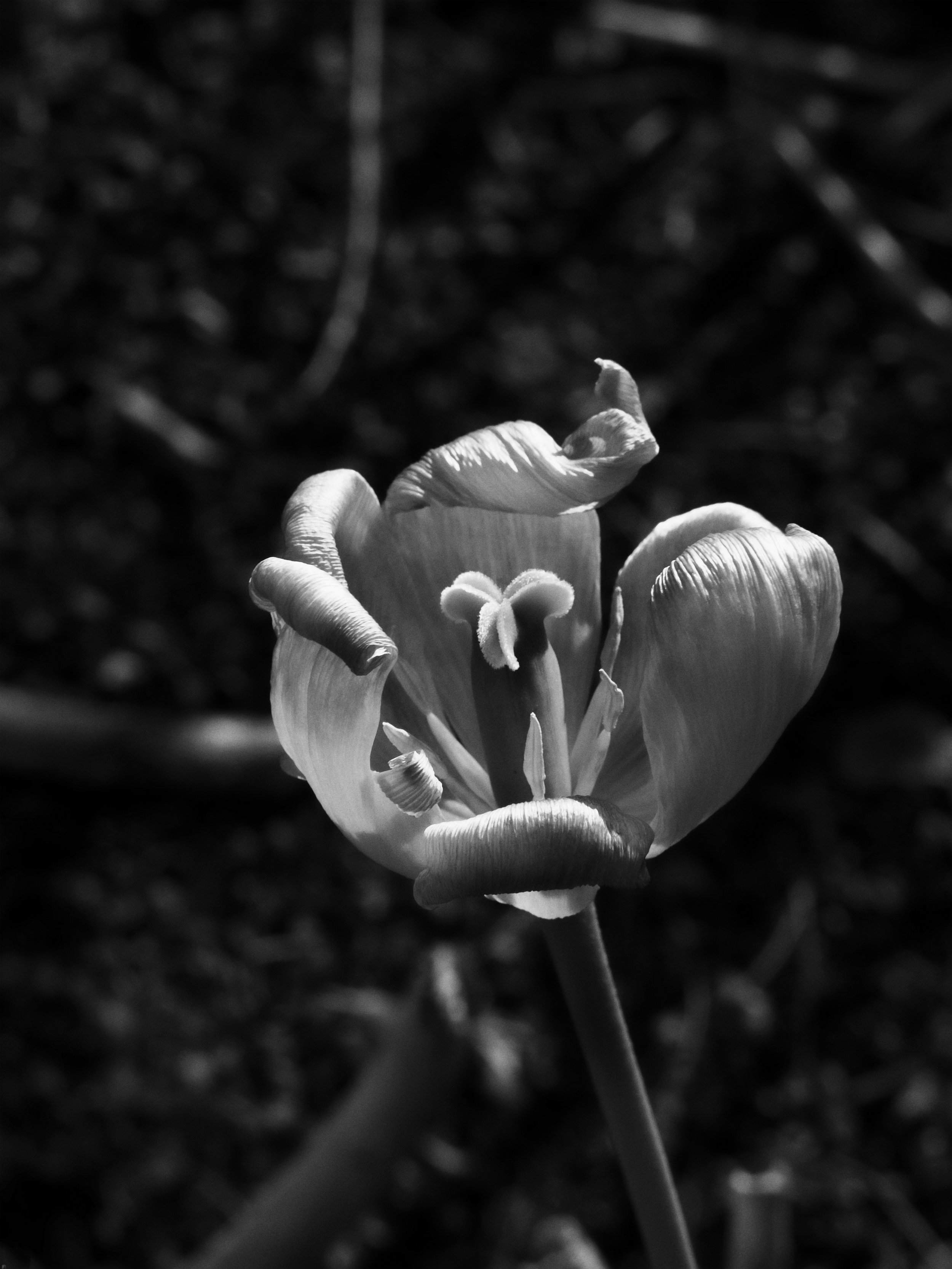
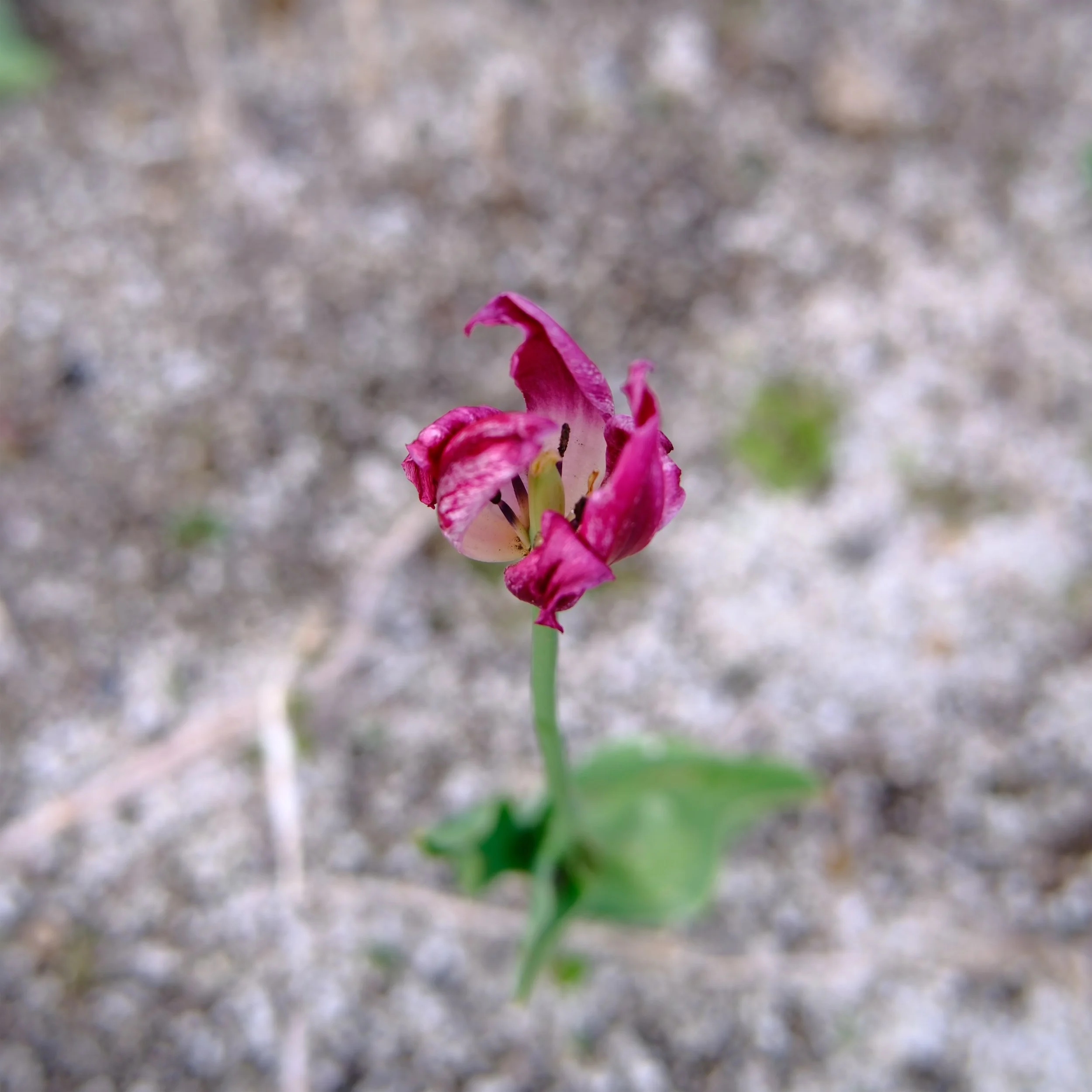
I, too, find immense joy in observing withered flowers and witnessing their petals gracefully falling one by one. Occasionally, when I visit a photography exhibition showcasing flowers or plants, amidst the captivating photographs of flowers in full bloom, I come across a few that depict scenes of flowers that have reached the end of their blooming cycle. These scenes captivate me, and that’s why I personally take photographs of flowers as they wither, cherishing the moments they shine, even if they are fleeting.
Incidentally, in Flemish paintings created between approximately 1600 and 1800, one can often find scenes of vases adorned with withered flowers and fruit that has gone bad. When I first encountered these paintings, I sought the explanation of a museum curator, who revealed that they serve as a cautionary tale against ‘vanitas’ (vanity). The specific objects depicted include broken stems, leaves with holes, and damaged fruit. I was astounded to learn that such allegorical meanings existed.
To echo this theme, I am reminded of Shakespeare’s words in **Sonnet 64:
> “When I have seen by Time's fell hand defac'd
> The rich proud cost of outworn buried age;”
These lines too, speak to the fleeting nature of worldly beauty and the vanity of attachment.
While I comprehend the concept of impermanence, I find that the ‘sin of vanity’ or the warning against vanity doesn’t resonate deeply with me. I’ve encountered teachings in Buddhism that advise against harboring desires born of ‘worldly passions’. Nevertheless, I don’t believe that it’s inherently negative to hold onto desire as a moderate ambition, rather than completely renouncing it.
Instead of viewing these scenes as a warning against ‘vanity’ (vanitas), I aspire to find beauty even in flowers that have reached the end of their blooming cycle. I want to capture those fleeting moments when they radiate a radiant glow.
That’s why I chose the title
‘Even if flower scatter,
unbreakable bloom once more;
even breeze be sparkler’.
Although it adheres to the Japanese 5-7-5 rhythm, I didn’t intend it as a haiku; I just take the sense of rhythm.
As the title for this page, it’s a bit lengthy. For the English page title, I’ll use only the middle part of the structure.
If you were to inquire whether I’ve adapted the renowned ‘Iroha Poem’ from Japanese culture, you’d be absolutely correct.
I’ve also reversed the word. I yearn to experience regeneration rather than impermanence. While warnings may be crucial, I want to hold onto hope even more fervently
References
*WITHERED FLOWERS
Photographer: Tajima Kazunali
Text: Ryuichi Sakamoto
Tajima Kazunali
Translation: Andreas Stuhlmann
Art Direction: Akio Nagasawa
Editorial Direction: Tajima Kazunali & Akio Nagasawa
Design: Hiroshi Nakajima
Printing Direction: Noboru Takayanagi
Published on December 2, 2020
Limited Edition of 900
Publisher: Akio Nagasawa
Published by Akio Nagasawa Publishing Ginsho bldg. 6F, 4-9-5 Ginza, Chuo-ku
Tokyo 104-0061 JAPAN
Printed in Japan
Photographs: © Tajima Kazunali
Text: © Ryuichi Sakamoto
© Tajima Kazunali
Publication: © Tajima Kazunali + Akio Nagasawa Publishing 2020
**Sonnet 64: When I have seen by Time's fell hand defac'd
https://www.poetryfoundation.org/poems/45096/sonnet-64-when-i-have-seen-by-times-fell-hand-defacd